
Most people choose a paint colour first and think about the finish later.
That order makes sense, but it leaves out half the design decision. The same colour can look soft and chalky on one wall and sharp and polished on the next. The difference is sheen, which is simply how much light the dried paint reflects back.
Sheen changes how a room feels, how a facade reads from the street and how well a surface stands up to daily use. Designers treat it as a tool in its own right. Homeowners can too.
Perth house painters Pro Painting Works are a family-owned business based in Stirling, working across the city’s western and northern coastal suburbs. Their approach of choosing products surface by surface is a good model for thinking about sheen across a whole home.
What sheen actually is
Paint sheen sits on a scale. At one end is flat or matt, which reflects very little light. At the other end is full gloss, which reflects a lot.
In between are the middle grades. Names vary between brands, but you will usually see these:
- Flat or matt, with almost no shine
- Low sheen, with a faint soft glow
- Satin, with a gentle sheen that is still easy to wipe
- Semi-gloss, with a clear shine
- Gloss, which is the hardest wearing and most reflective
The shinier the finish, the more it shows the shape of whatever is underneath. That one idea explains most of the design choices that follow.
Matt hides, gloss reveals
A flat finish scatters light. Small dents, patched holes and uneven plaster fade into the background because there are no hard reflections to pick them out.
This is why flat finishes are so common on ceilings. A ceiling is lit from the side by windows and downlights, which is the most unforgiving angle there is. A matt coat keeps it calm and even.
Gloss does the opposite. It catches every ripple and brush mark. On a perfectly prepared surface that can look crisp and deliberate. On a tired wall it can look lumpy.
So the more you want a surface to stand out, the more preparation it needs before a glossy coat goes on.
Using contrast between sheens
One of the simplest design tricks is to pair a quiet wall finish with a shinier trim.
Picture a hallway with low sheen walls and semi-gloss skirtings, architraves and doors in the same colour. The colour is consistent, but the woodwork reads as a separate layer. It looks finished and a little architectural, without adding another colour to the scheme.
Going tone on tone like this works well in heritage homes. It lets original joinery stand out without fighting the walls.
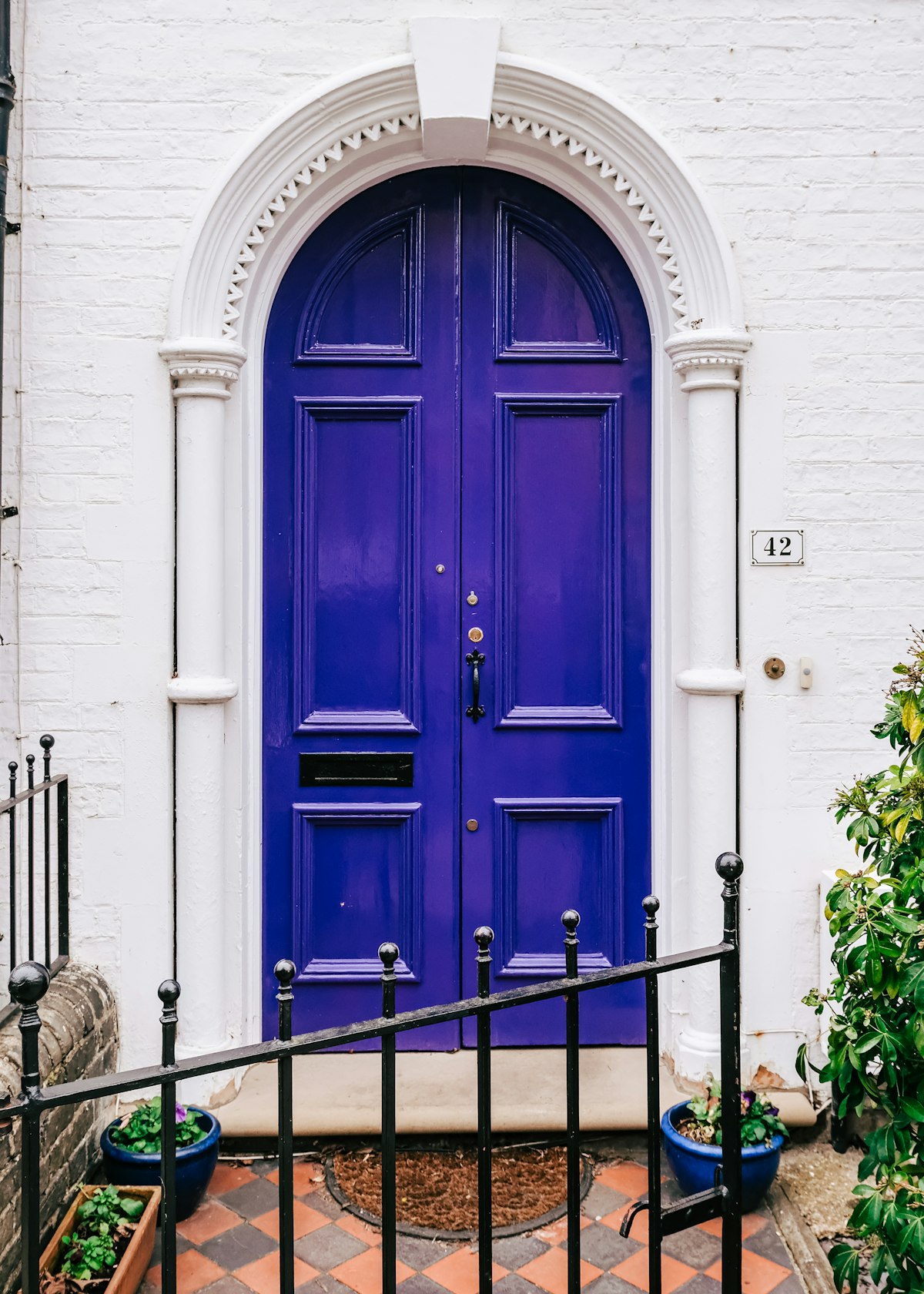
You can also push the contrast further. A deep charcoal front door in full gloss against a matt rendered facade gives the entry a clear focal point. It draws the eye to the door and makes it look solid and well kept.
Sheen and the mood of a room
Low sheen and matt finishes feel soft. They absorb light and give a room a relaxed, slightly velvety look. Bedrooms and formal living rooms often suit them.
Satin and semi-gloss finishes feel brighter and more energetic. They bounce light around, which can help a narrow corridor or a room with small windows feel more open.
Light direction matters here. A wall opposite a big west-facing window gets strong afternoon sun. A shinier finish on that wall may glare in the late afternoon. A lower sheen keeps it comfortable.
Try a test patch before you commit. Pro Painting Works brush samples onto the actual walls so owners can see them in morning and afternoon light, and that habit is worth copying whoever does your painting.
Sheen and everyday wear
Design choices have to live with real life. Sheen is closely tied to how easy a surface is to clean.
Shinier finishes are generally tougher and more washable. That is why gloss is a long-standing choice for front doors, and why semi-gloss suits frames and internal doors. Hands, keys and bags hit those surfaces every day.
Wet areas need a different kind of thinking. Bathrooms and laundries face steam and moisture, so a mould-resistant product matters more there than the exact sheen level.
High-contact walls are their own case. Hallways and kids’ rooms get scuffed, so a washable finish with some sheen often makes more sense than a dead flat one, even if flat would look slightly softer.
A good rule is to start with how the surface is used, then choose the most attractive sheen that can cope with it.
Sheen on the outside of the house
Exterior surfaces bring their own needs. Sun, wind and coastal air are hard on paint, and the product has to suit the material underneath.
On a typical Perth home you might see three finishes working together:
- Low sheen or matt on rendered and brick walls, for a soft, even look across large areas
- Satin or semi-gloss on fascias, window frames and eaves trim, to give the edges definition
- Gloss on the front door and sometimes the letterbox or gate, as a feature
Keeping walls lower in sheen also helps large surfaces look even. Big flat areas in gloss show every bump in the render and every lap mark from the roller.
Timber and metal need extra care. Windows, doors and security screens often benefit from spraying in several thin coats, which gives a smooth, even finish that is hard to get by hand on detailed profiles.
Preparation decides the result
The finest sheen choice will not save a poorly prepared surface. This is even more true with shinier finishes.
Good preparation means washing off dust and grease, sanding to a sound surface, filling cracks and holes, and priming where needed. Kitchens often need degreasing before sanding, or new paint will not grip properly.
Older homes add another step. Many Australian homes built before 1970 may have high-lead paint on doors, windows and trims. The federal guidance on lead in house paint explains that the risk comes when old paint is damaged or disturbed, especially by dry sanding or scraping. If you are refreshing glossy joinery in a character home, have the paint tested first.
Putting a sheen plan together
Before you start, walk through the house and list each surface type. Then give each one a sheen that suits both the look you want and the wear it gets.
A simple plan for a whole home might look like this:
- Ceilings in flat
- Living areas and bedrooms in low sheen
- Hallways and kids’ rooms in a washable low sheen or satin
- Skirtings, architraves and internal doors in semi-gloss
- Wet areas in a mould-resistant product
- Exterior walls in low sheen, trims in satin or semi-gloss, and the front door in gloss
Write it down and keep it with your colour names. Next time you repaint or touch up, you will know exactly what was used and where.
A final practical check
Before any paint is bought, look at test patches at different times of day and from different angles. Stand back from the wall, then look along it from the side.
If a sheen looks good from both positions, it is probably the right one.
Ask your painter what finish they suggest for each surface and why. A clear answer is a good sign they have thought about how your home is used, as well as how it looks.